
Bahs o Nazar – Episode 02 | Coronavirus: How to Serve Humanity According to Islam
Participants
Chapters
About the Program
Bahs o Nazar is an Islamic discussion program presented by Al-Ehsan Media, in which scholars and experts discuss contemporary religious and social issues, offering authentic Islamic perspectives and practical guidance for individuals, communities and the Ummah.
Episode Overview
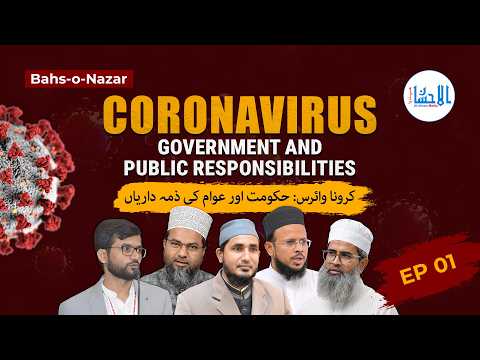
In Episode 02 of Bahs o Nazar, scholars and experts examine the Islamic concept of Khidmat-e-Khalq — serving humanity — against the backdrop of the Coronavirus pandemic.
The discussion explores how individuals and communities should respond to people in need during times of widespread hardship, what Islam teaches about humanitarian service and whether religion, sect, caste or community should ever become a barrier to helping others.
The episode emphasises compassion, social responsibility and service to humanity as essential values, particularly during periods of crisis.
About the Discussion
The Coronavirus pandemic created not only a public health emergency but also serious social and humanitarian challenges. Many people faced illness, financial hardship, isolation and uncertainty, making mutual support and social responsibility increasingly important.
In this episode of Bahs o Nazar, the panel discusses the circumstances facing Indian society during the pandemic and considers why people sometimes become involved in accusations and communal disputes instead of focusing on constructive humanitarian service.
The speakers explain Islamic teachings concerning Khidmat-e-Khalq and discuss whether service to humanity can be divided according to religion, sect, caste or community. They also examine the attitude of Muslims towards social service and consider how effectively individuals and organisations are contributing to the welfare of society.
The discussion outlines practical ways of helping people during a crisis and reflects on the particular responsibilities of Ulama, Mashaikh and community leaders during a pandemic.
A central message of the episode is that religion, sect and social identity should never become barriers to compassion. The speakers encourage people to rise above divisions and work for the welfare of all human beings, helping neighbours and communities wherever there is genuine need.
Key Discussion Points
- Social challenges during the Coronavirus pandemic
- Islamic teachings on Khidmat-e-Khalq
- Service to humanity beyond religion and sect
- Muslim participation in humanitarian and social welfare work
- Practical ways of helping people during a crisis
- Responsibilities of Ulama and Mashaikh during a pandemic
- Compassion and social responsibility in Islam
- Avoiding religious and sectarian divisions in humanitarian service
- Helping people regardless of caste, religion or community
- Working for the welfare of humanity as a whole



Comments 0
Leave your comment